
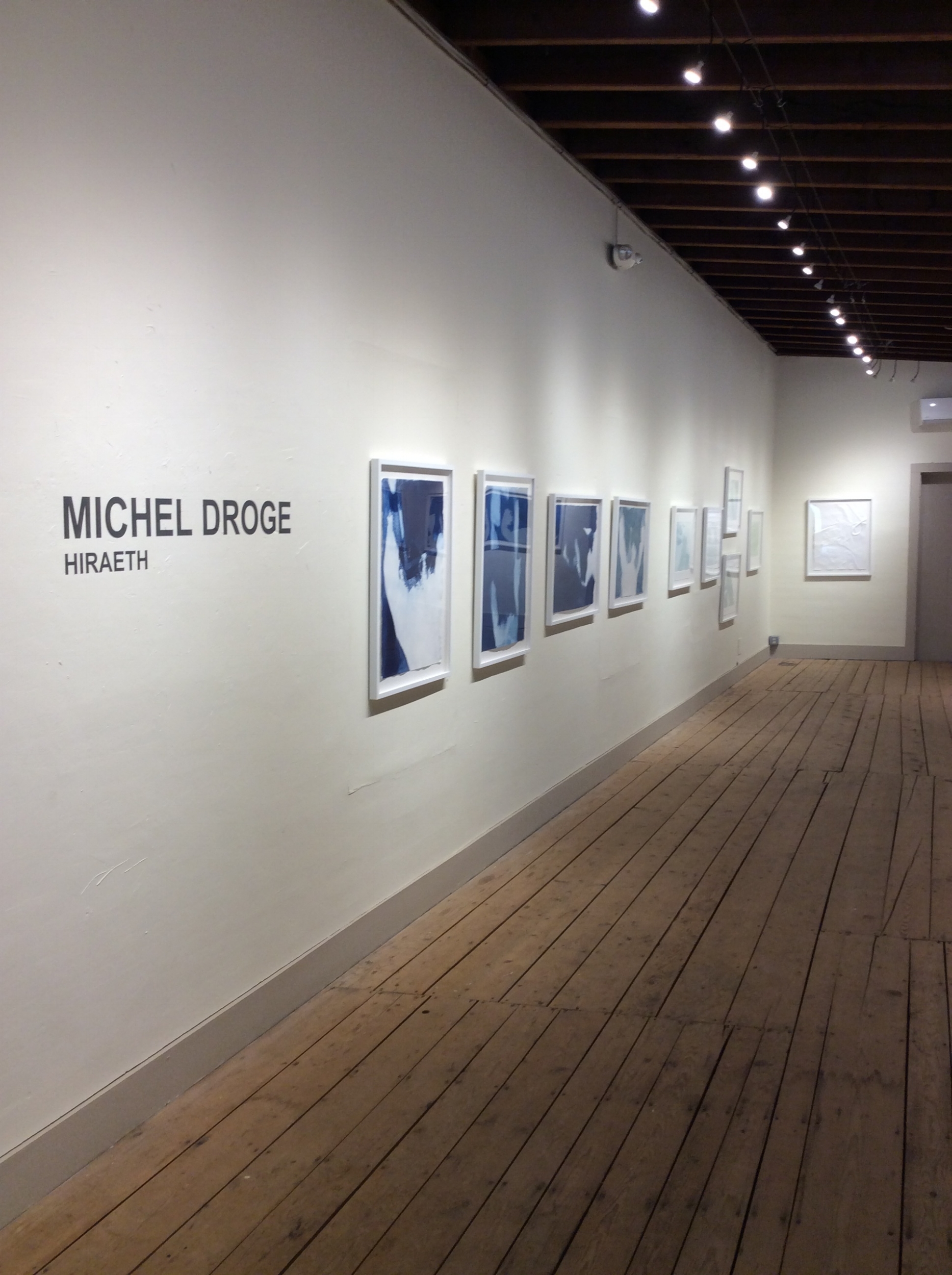
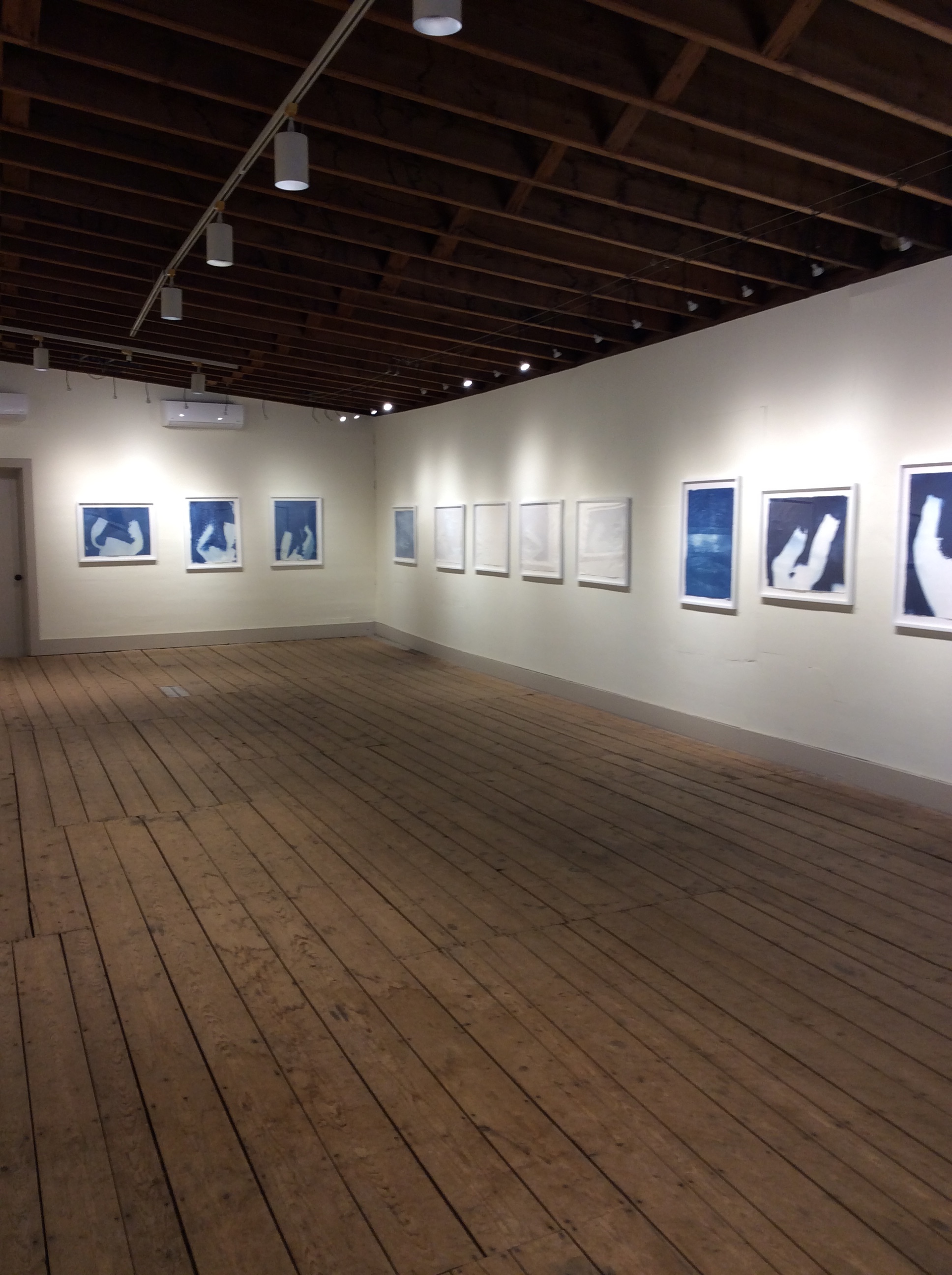
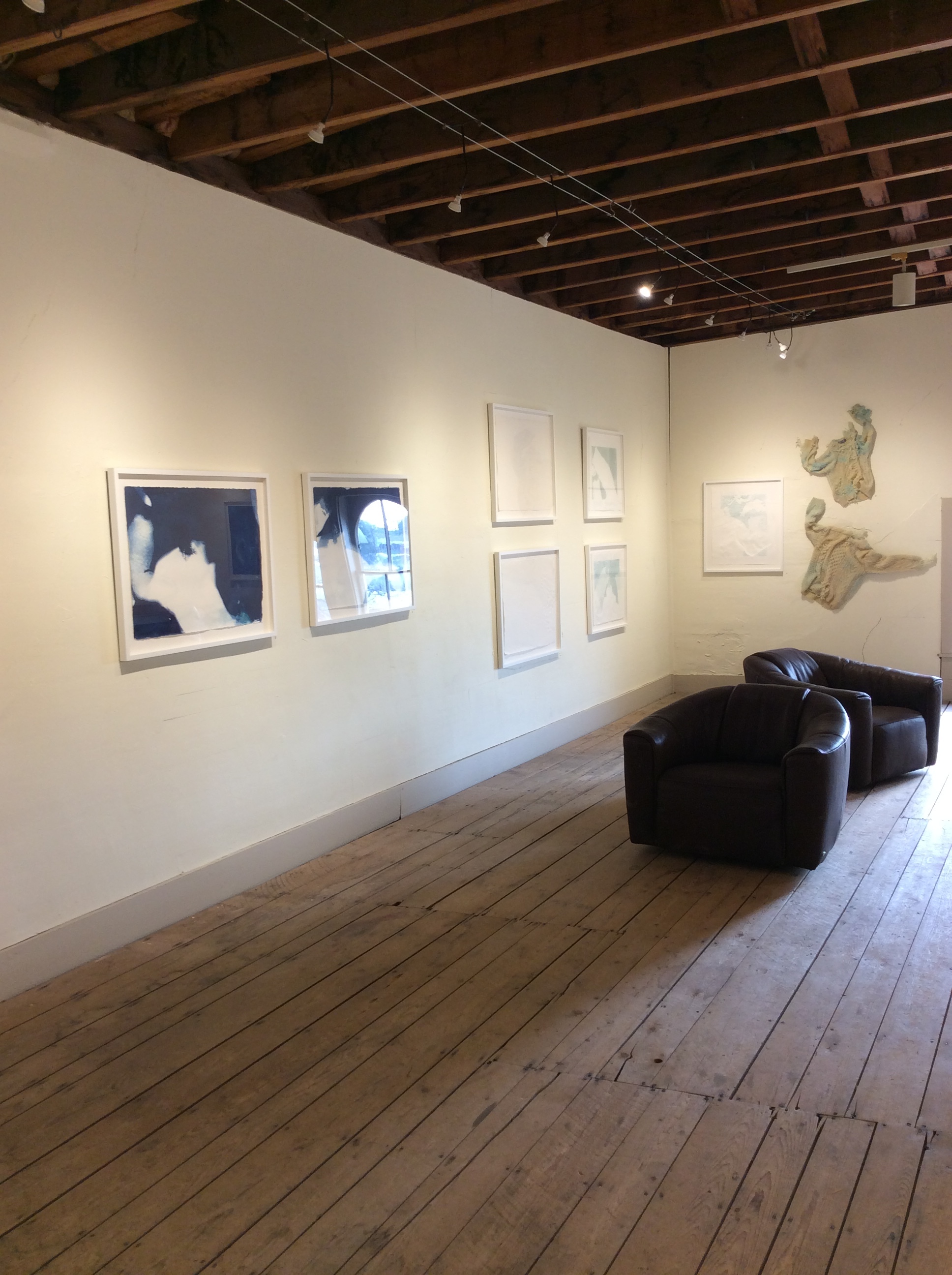
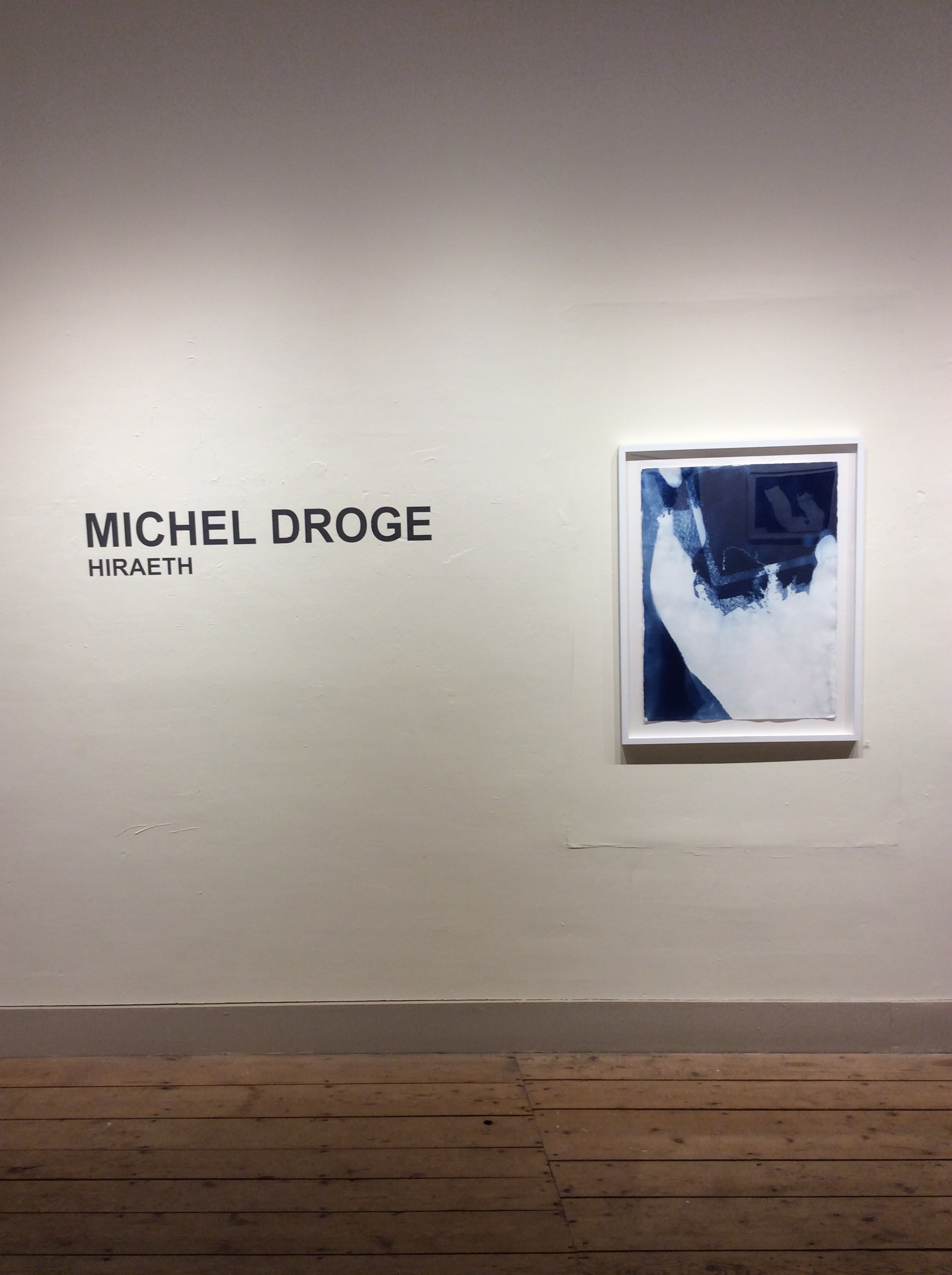
HIRAETH
HIRAETH(n.)- In Welsh: “A homesickness for a home to which you cannot return, a home which maybe never was; the nostalgia,the yearning, the grief for lost pieces of your past.”
Our lives, filled with benign and mundane activities, are sometimes fraught with unexpected events: tragic, traumatic and mysterious. As we constantly adjust to a new understanding of our world, the aftermath of trauma leaves an impression that steers us to a new awareness and an awakening of senses leaving us at times in a state of disorientation and confusion. In this instance we often experience a collateral beauty, unexpected abundance, and residual spiritual awareness.
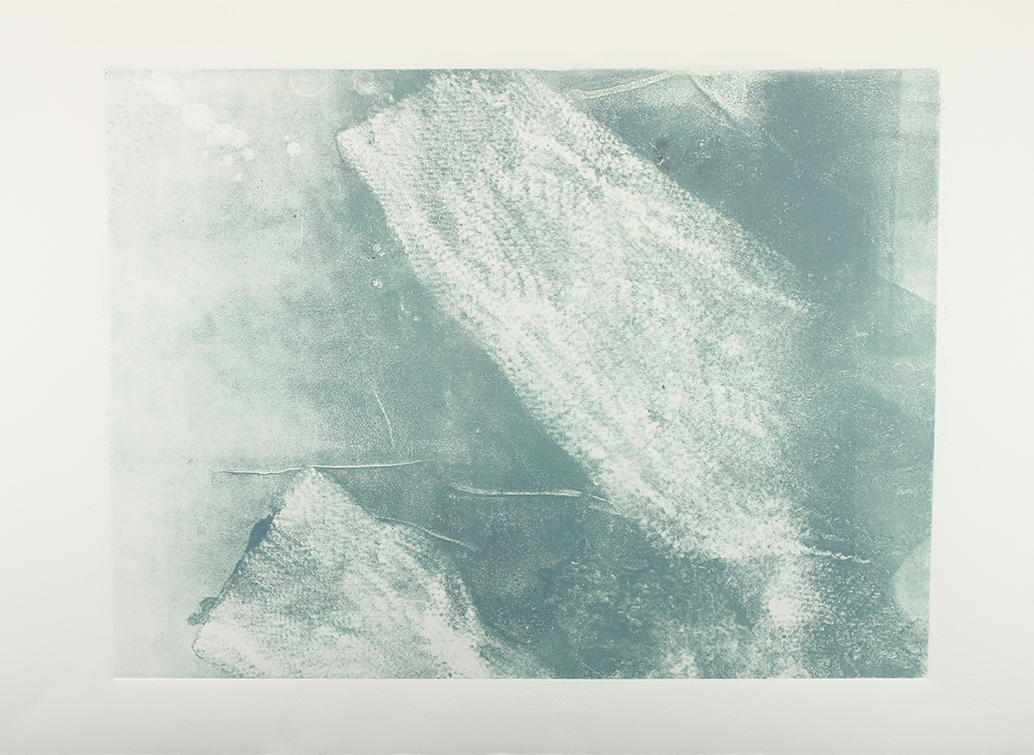
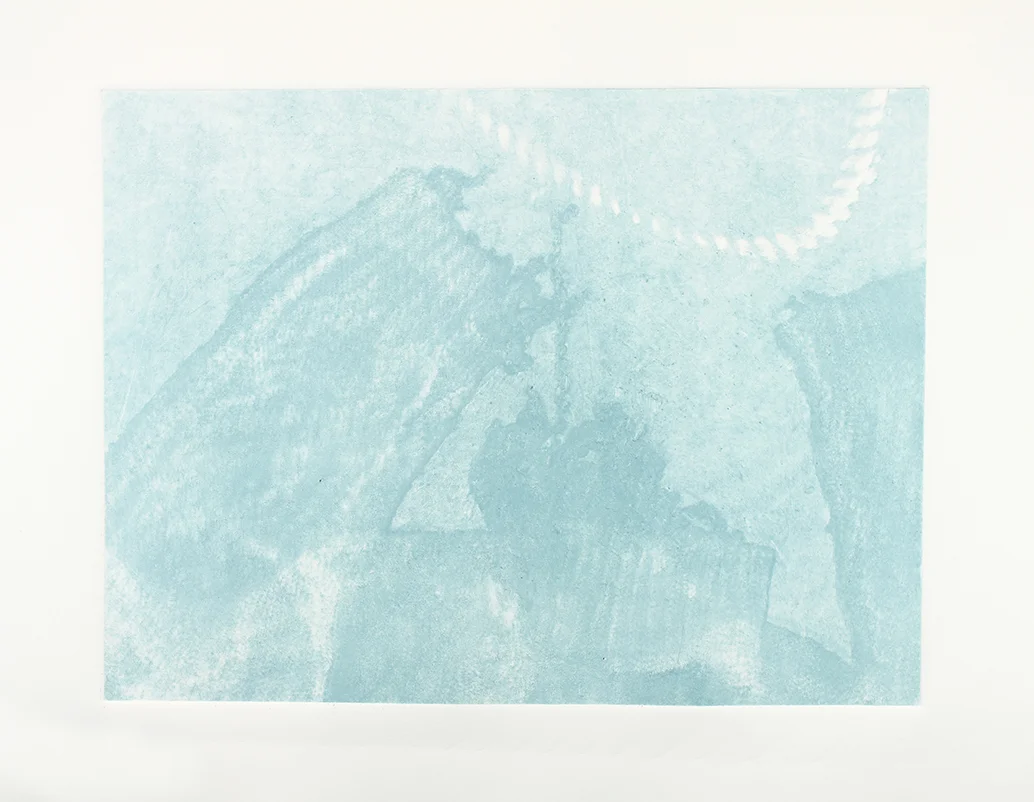
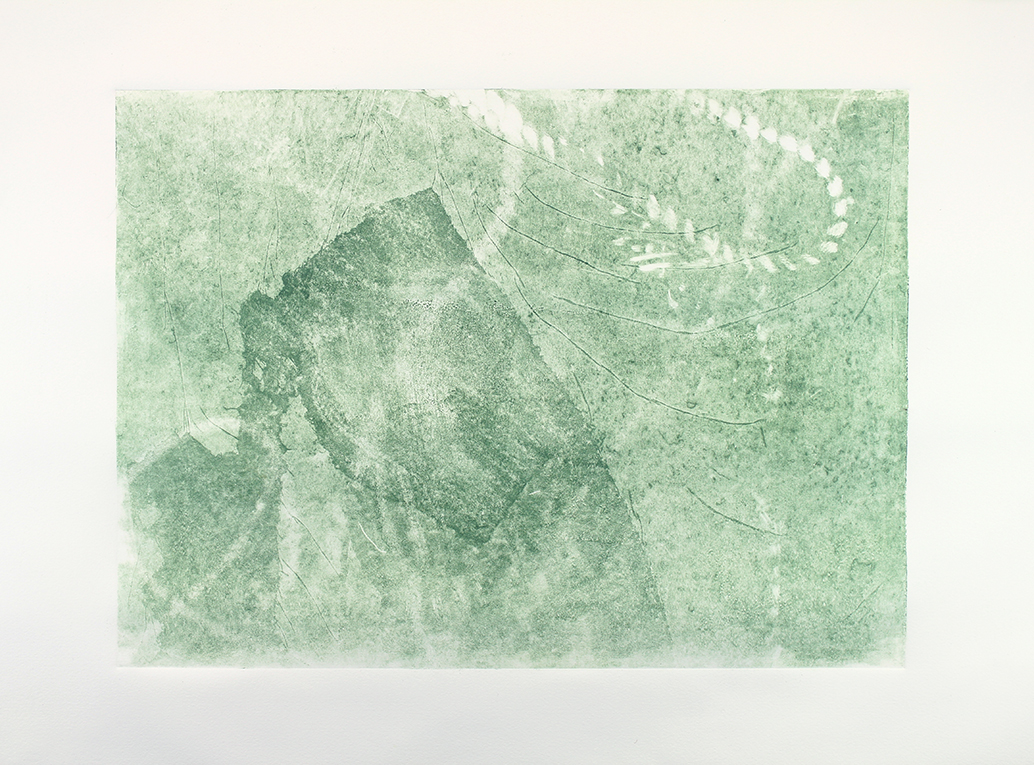
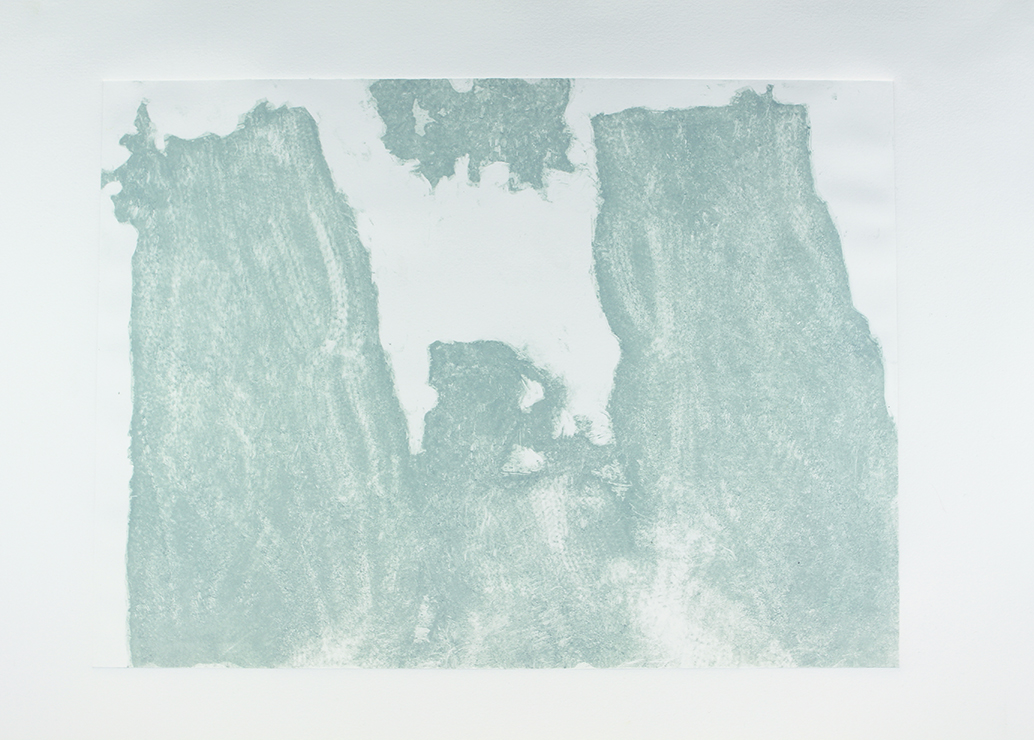
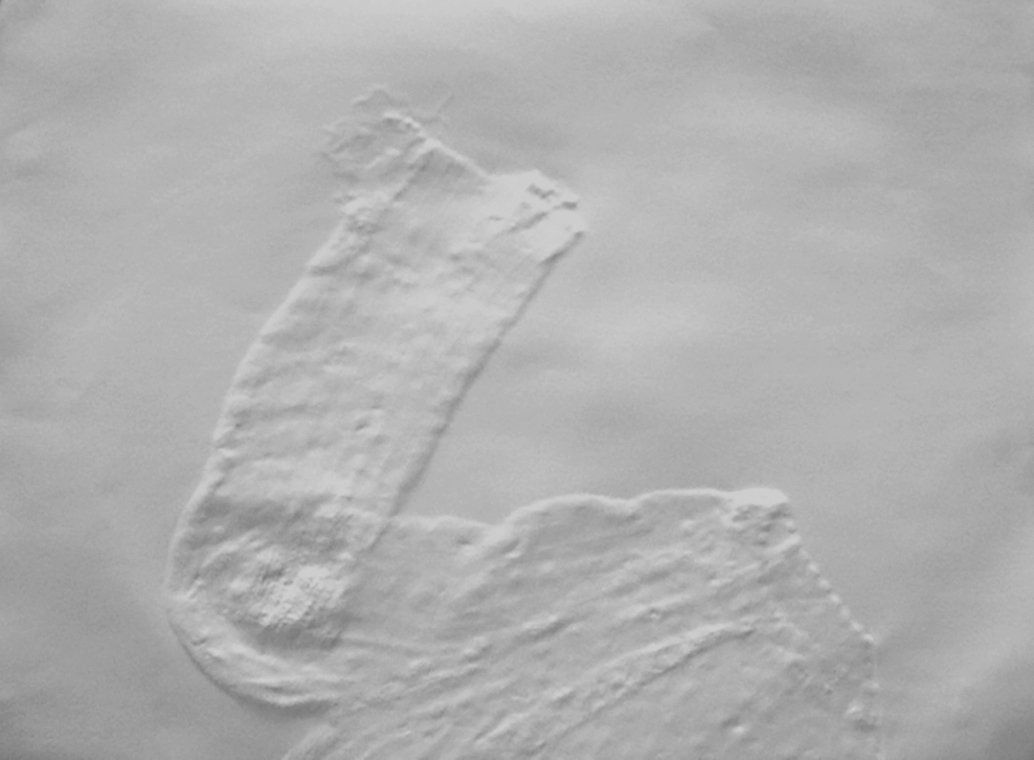
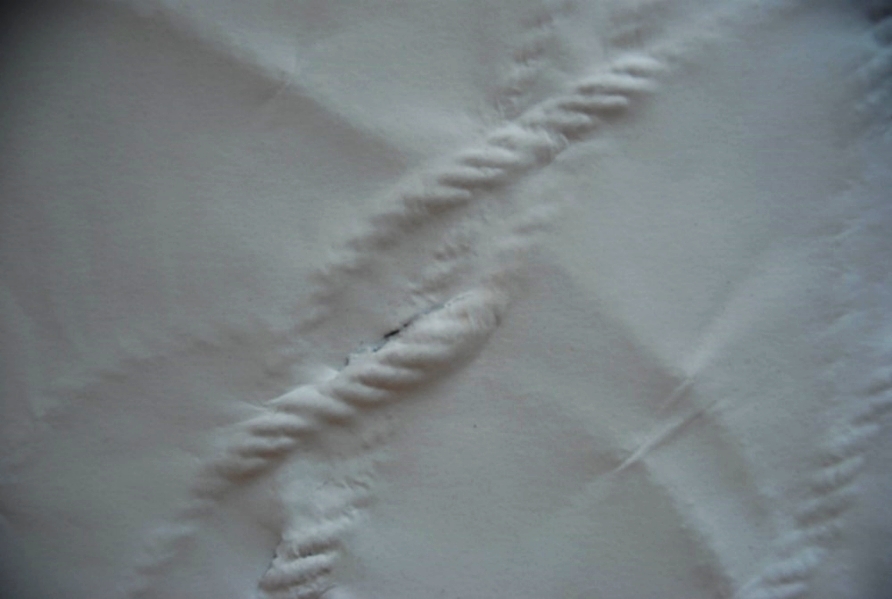
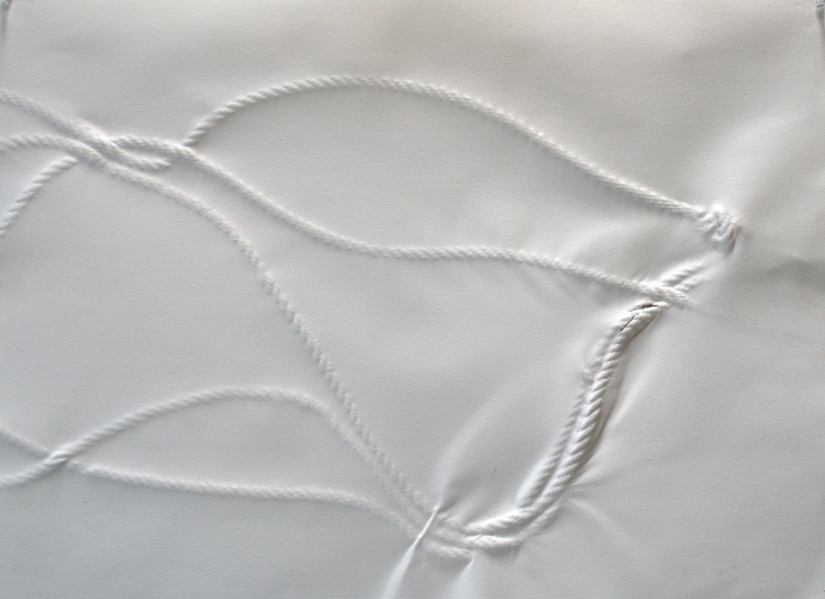
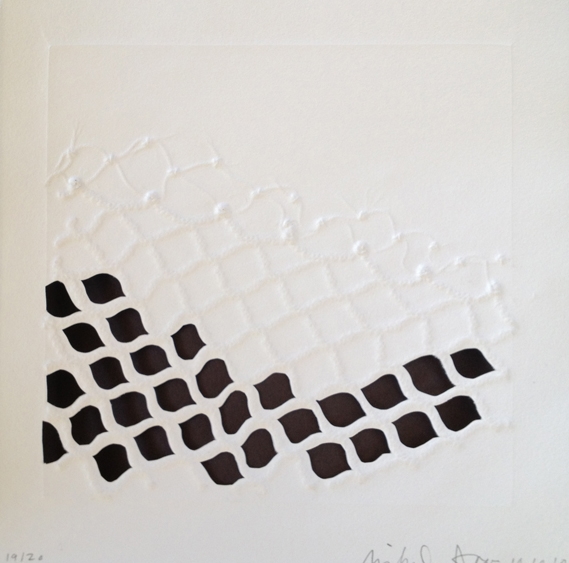
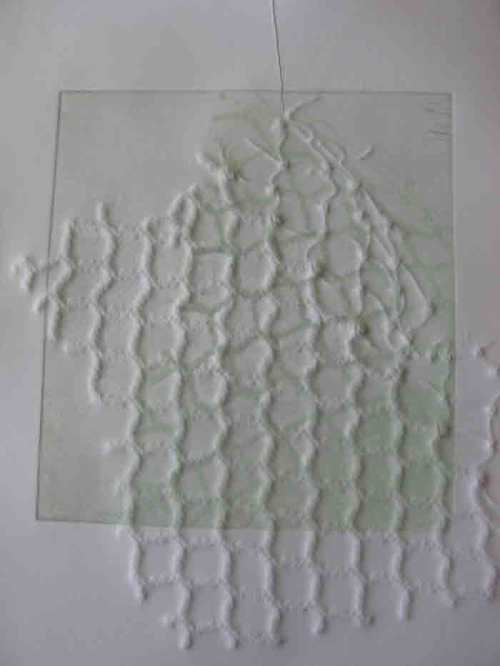
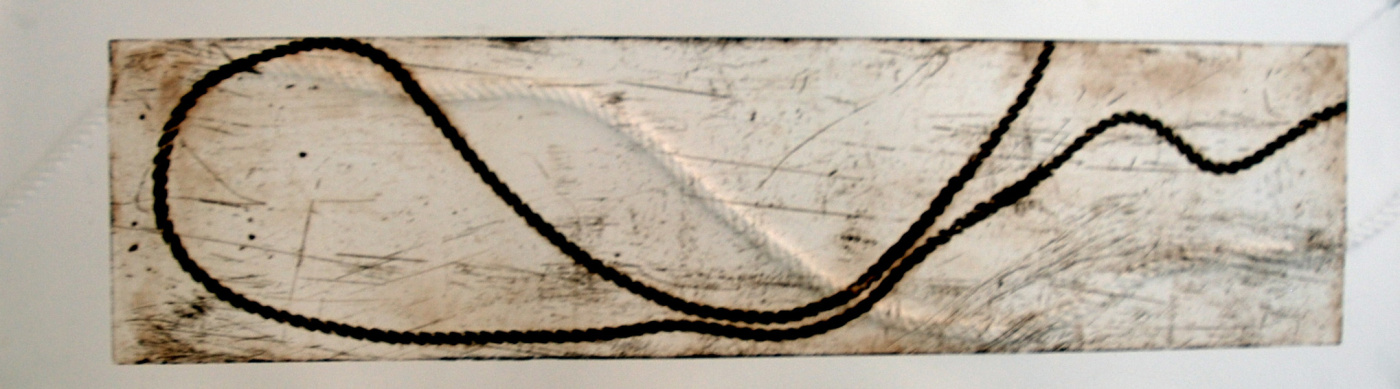
This work dives into the family disease of addiction and the navigation of recovery. Using the Aran Sweater, knit with a family pattern to identify drowned sailors, the unraveling explores the impact of addiction on families. The navigation and star charts in this work are a metaphor for recovery through an emotional and environmental charting and wayfinding. How do we find our way back home in the uncharted territories of addiction and recovery?
This work is some of my most personal work, having lost my brother to this disease and through my own personal journey through 18 years of recovery. Within this realm I hope to convey the impact of the losses and the tangles of the disease along with the solutions of recovery, a connection to the environment as a tool and a promise for healing with stories of recovery
This work more broadly considered, is an exploration of the intersection of destruction and creation; a navigation of the unconscious, (at times archetypal and collective), and those uncharted waters of emotional realms.
REVIEW OF HIRAETH
THE WORK OF UNRAVELING — MICHEL DROGE'S POWERFUL 'HIRAETH' AT THE FRANK BROCKMAN GALLERY
August 21, 2017
Written by Nick Schroeder
Since she first appeared as a student in MECA’s Graduate Studies painting program, I’ve been a huge fan of Michel Droge’s work. Her thick, hazy, metallic-seeming paintings held both darkness and light as well as anyone in the state (not named Dozier Bell). But “Hiraeth,” her short-stay exhibition of cyanotypes and embossings, Droge takes a left turn into a different medium and intention.
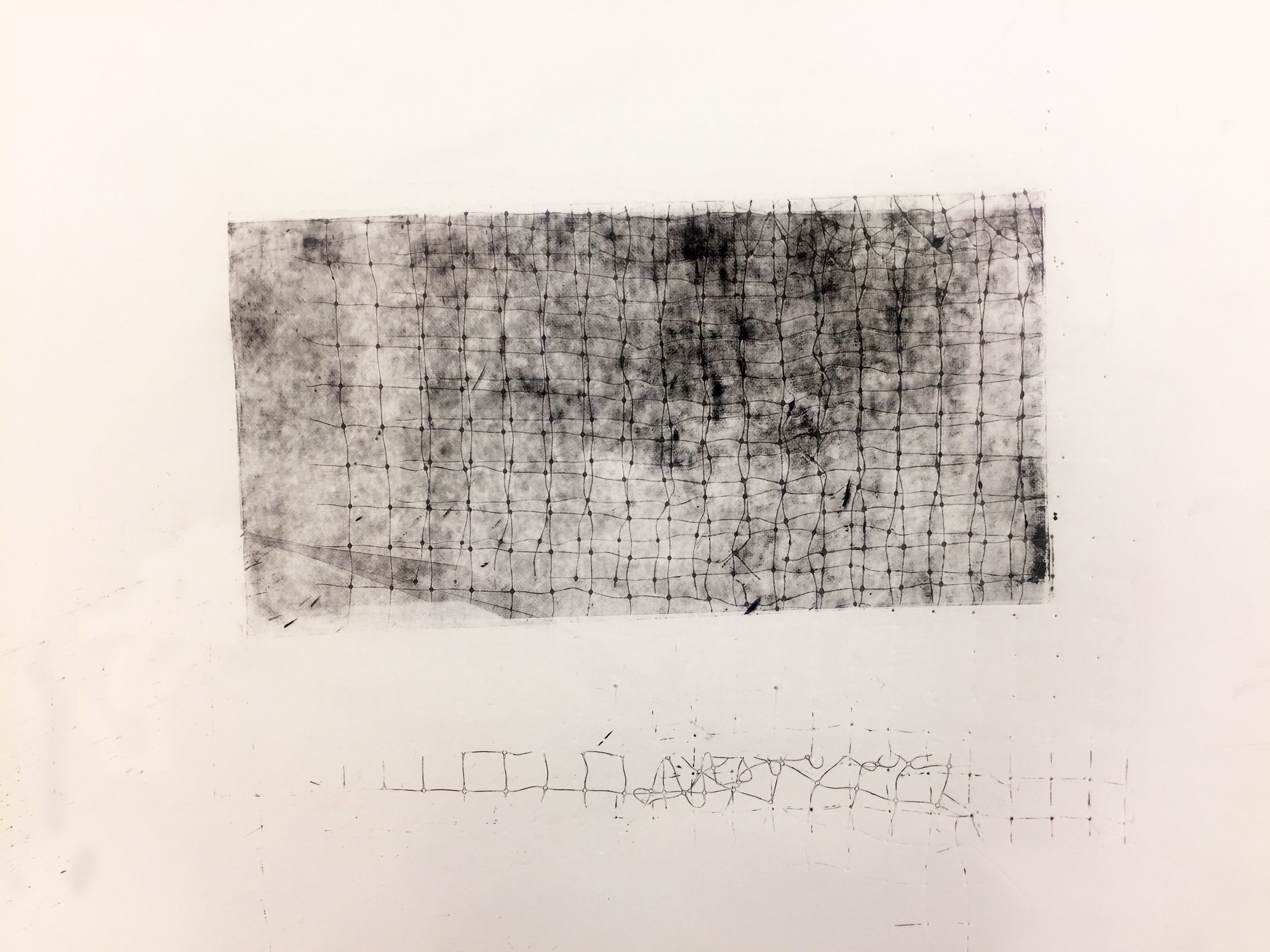
In an artist statement, Droge defines “hiraeth,” a Welsh term, as “a homesickness for a home to which you cannot return, a home which maybe never was; the nostalgia, the yearning, the grief for lost pieces of your past.” A year prior to when she began the work that would end up in this exhibition, Droge’s brother died of an opiate overdose. “Everything familiar had come undone. I was navigated uncharted waters,” she writes. “I began a series of prints based on the idea of unraveling an Aran sweater.”
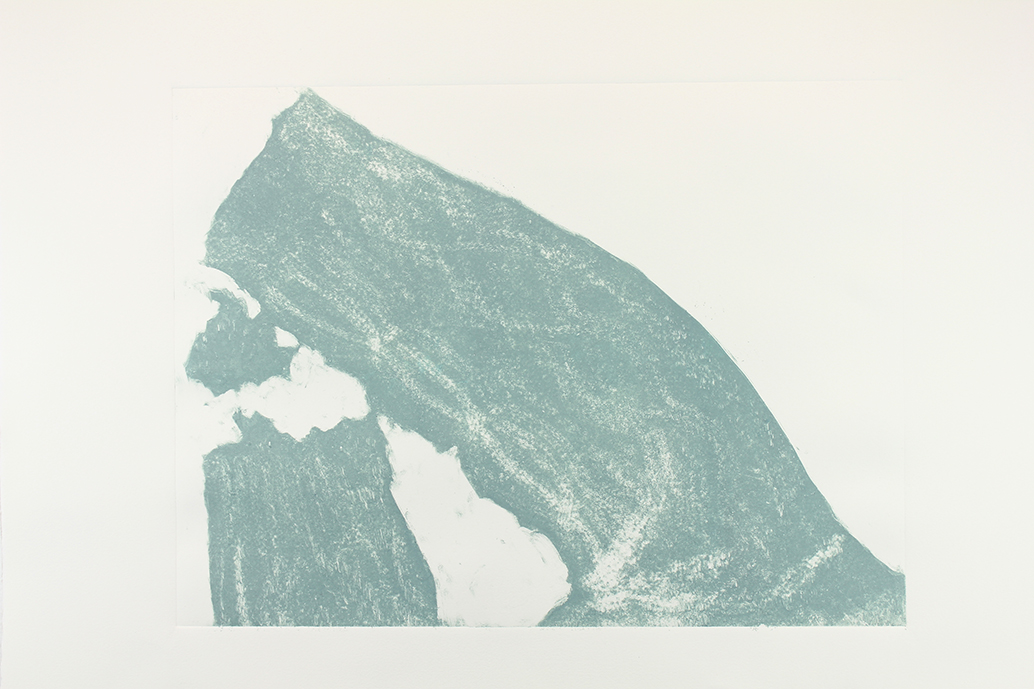
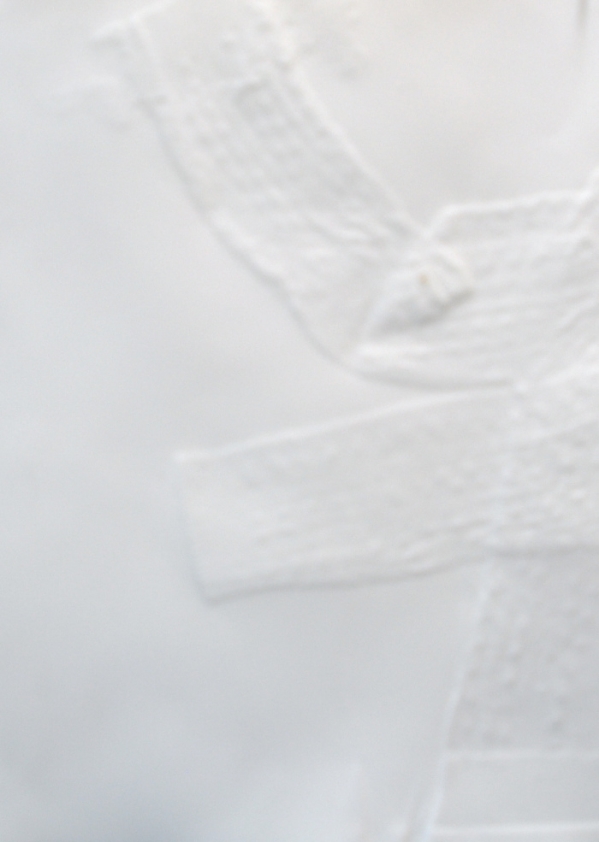
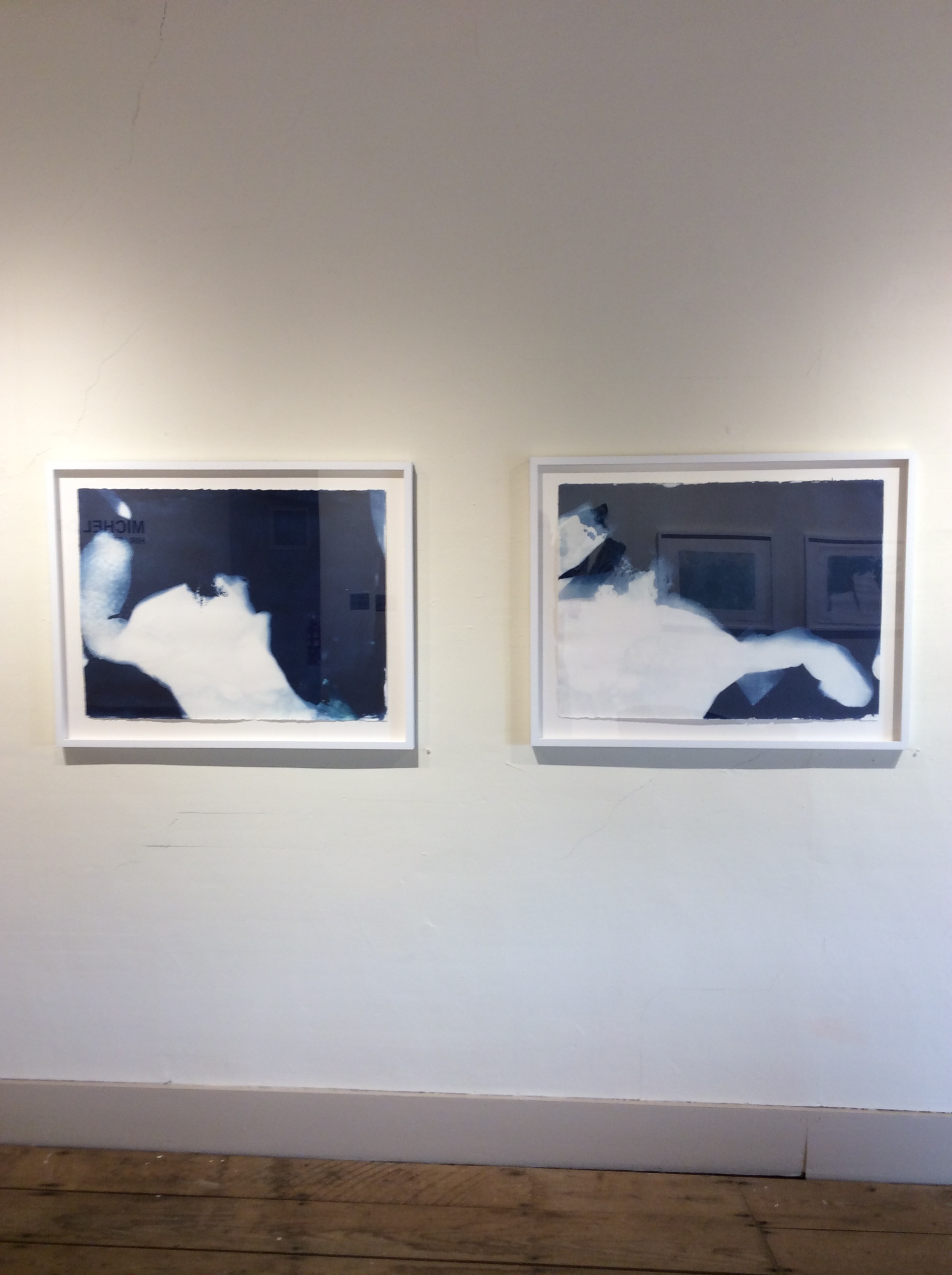
Those prints are included here, as well as numerous cyanotypes and several pieces that seem to serve as a stand-in for the sweater itself.
Haunting and apparitional, Droge’s work in Hiraeth is vibrantly nostalgic. With a primary color palette of white and aqua, the show conveys a nautical theme, the images vaguely recalling fisherman’s maps and navigational charts. Droge and her brother grew up sailing on the water. They’d spend summers on Block Island.
Droge came to study at MECA in 2009, and as she recalls it, kept to herself about the heavier themes of the past year that had been informing her work. She says that even as she was making the embossings and occasionally showing them in town, she’d never really talked about the work’s connection to her brother. “I would just talk really vaguely about the universal feeling of being lost at sea.”
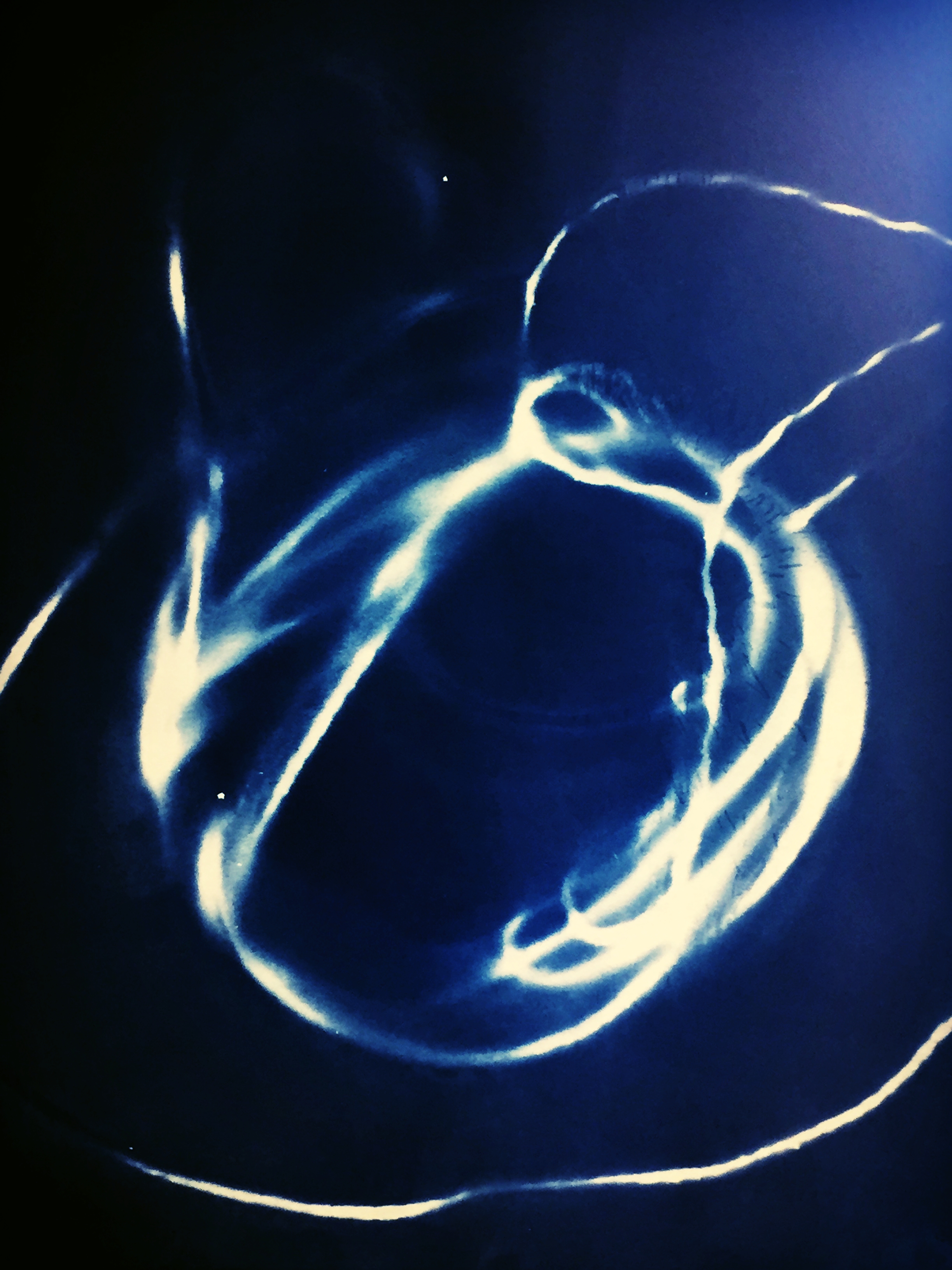
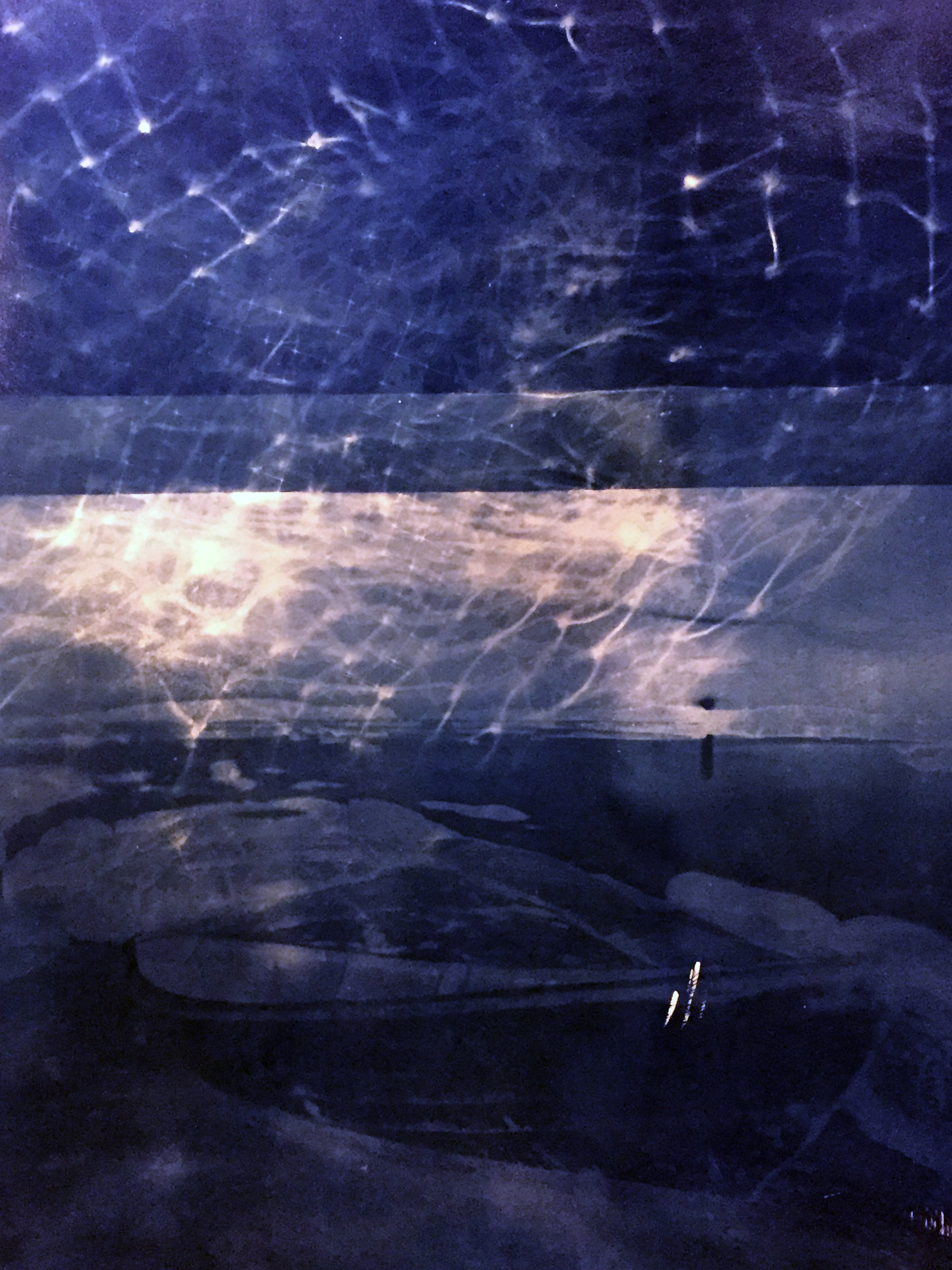
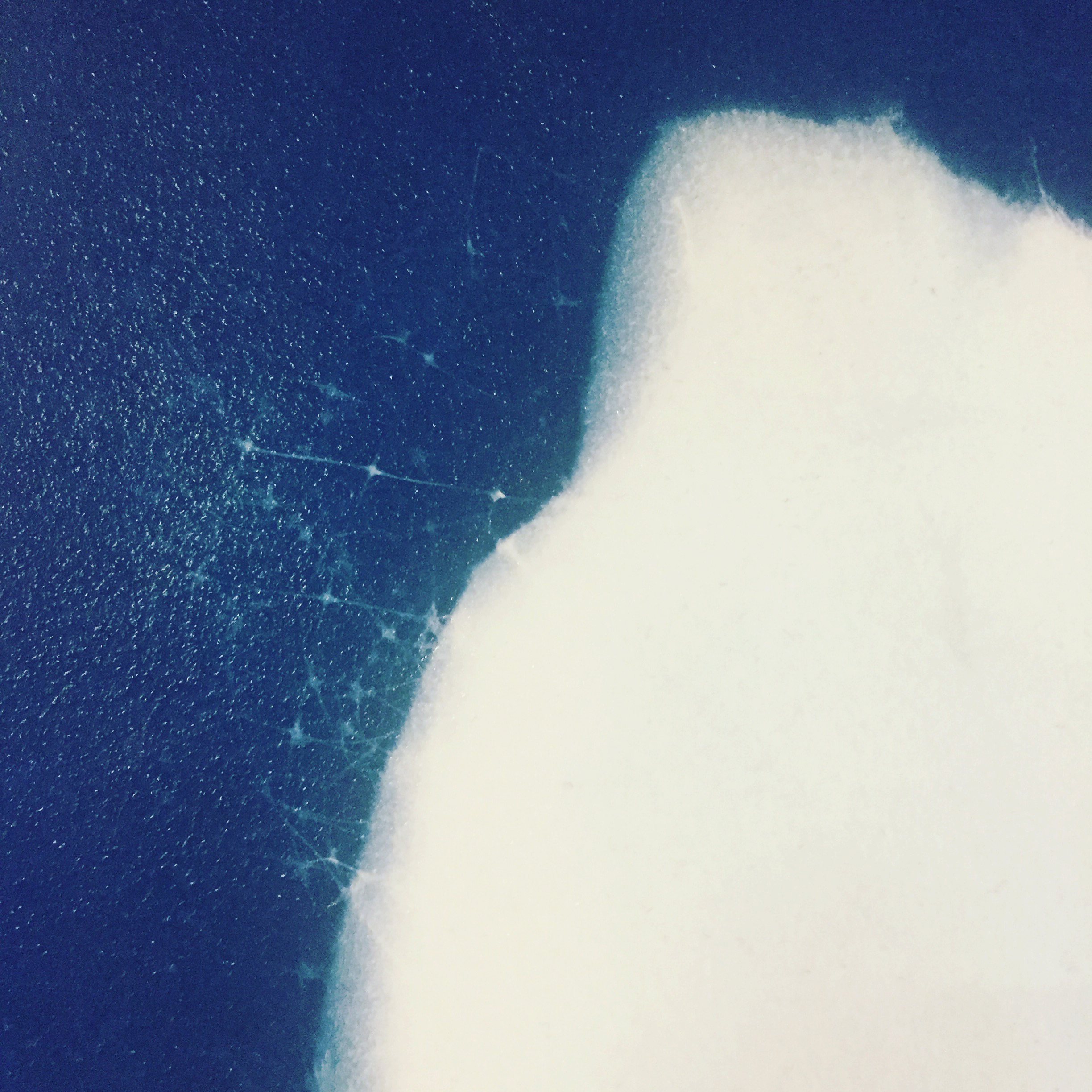
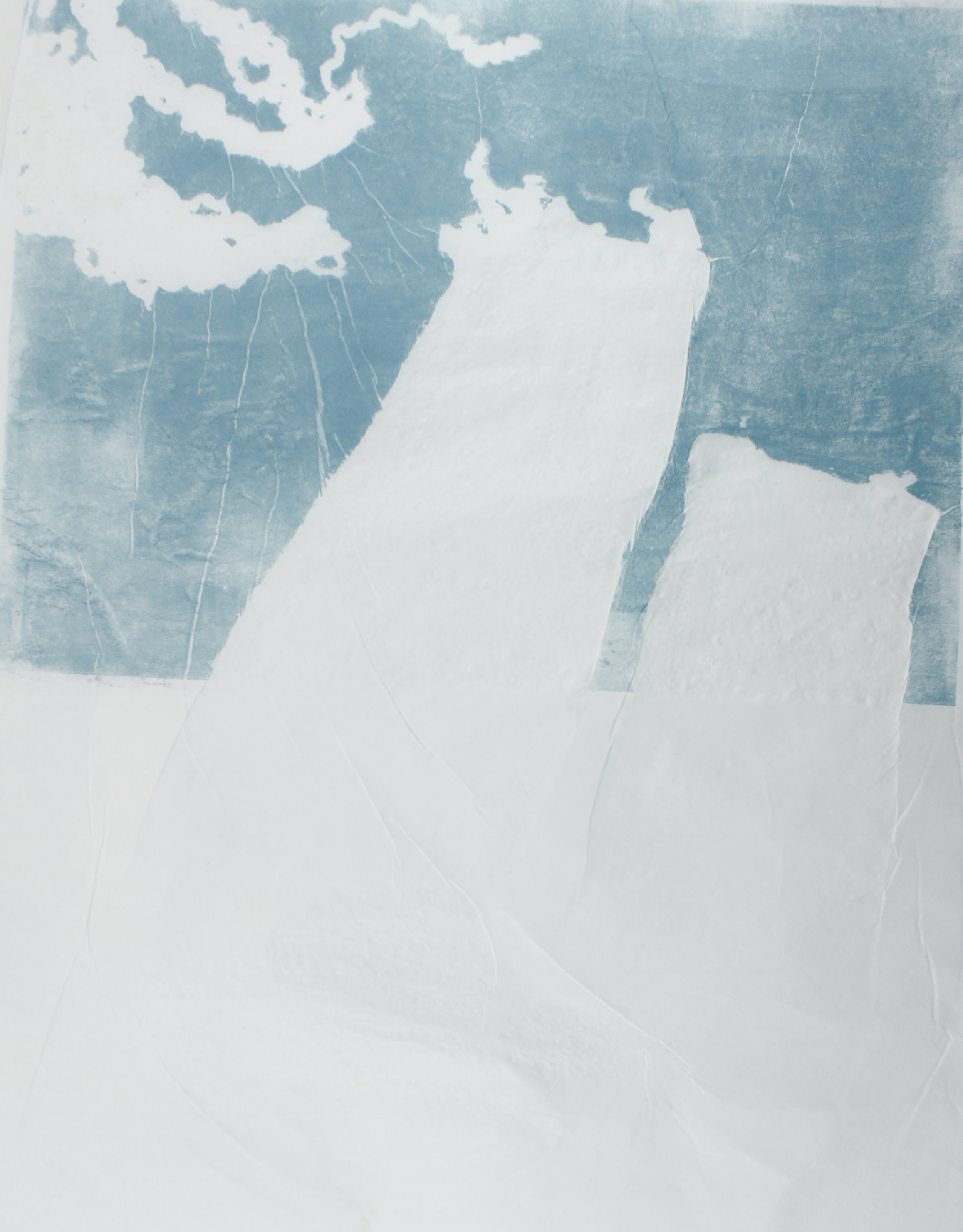
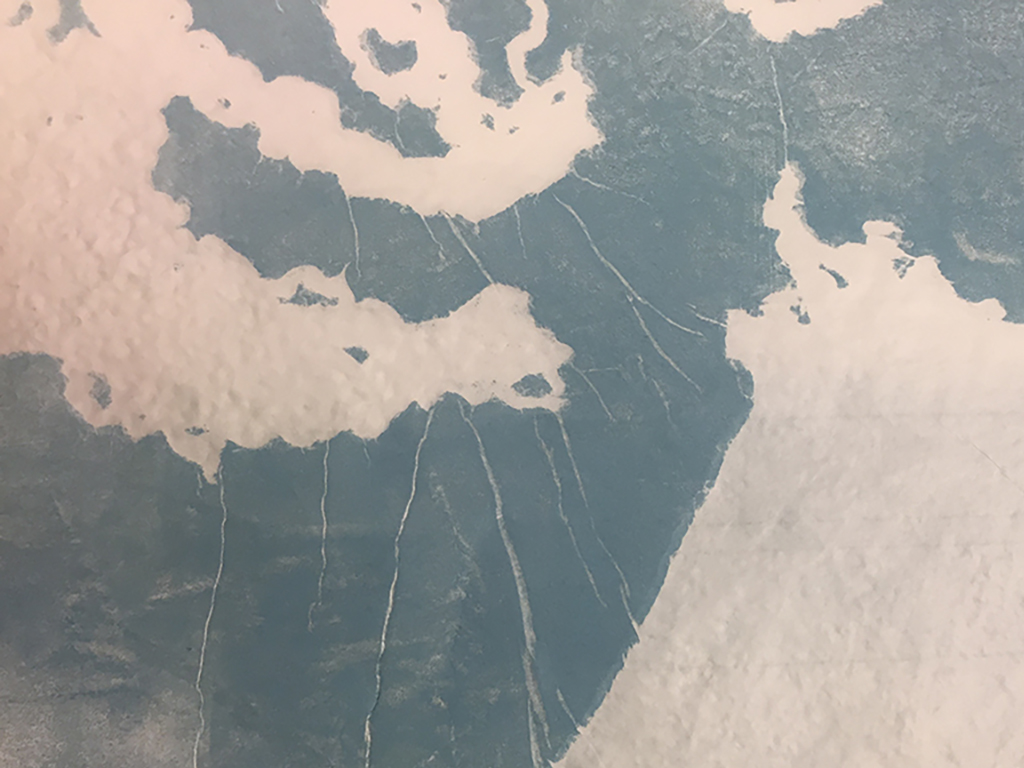
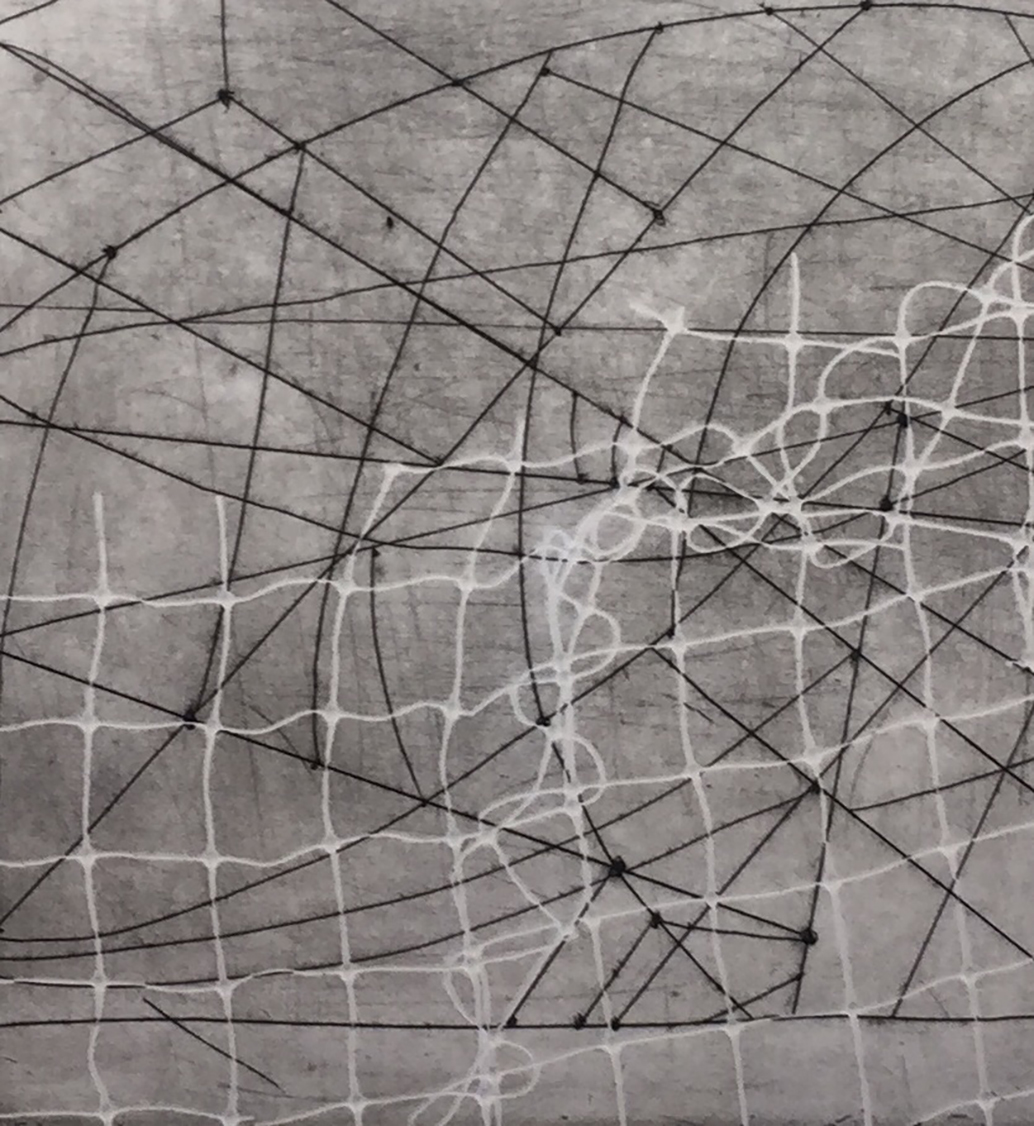
Years later, Droge made cyanotypes working with the same themes and materials, a set of stick chart drawings she says “helped navigate emotional and unconscious waters.” A photographic printing process that ammonium iron citrate and potassium ferricyanide, cyanotype prints emerge a cyan-blue hue, squarely in the register of marine aesthetics. Relative to other methods of printing, the image tends to fade when exposed to the basic elements.
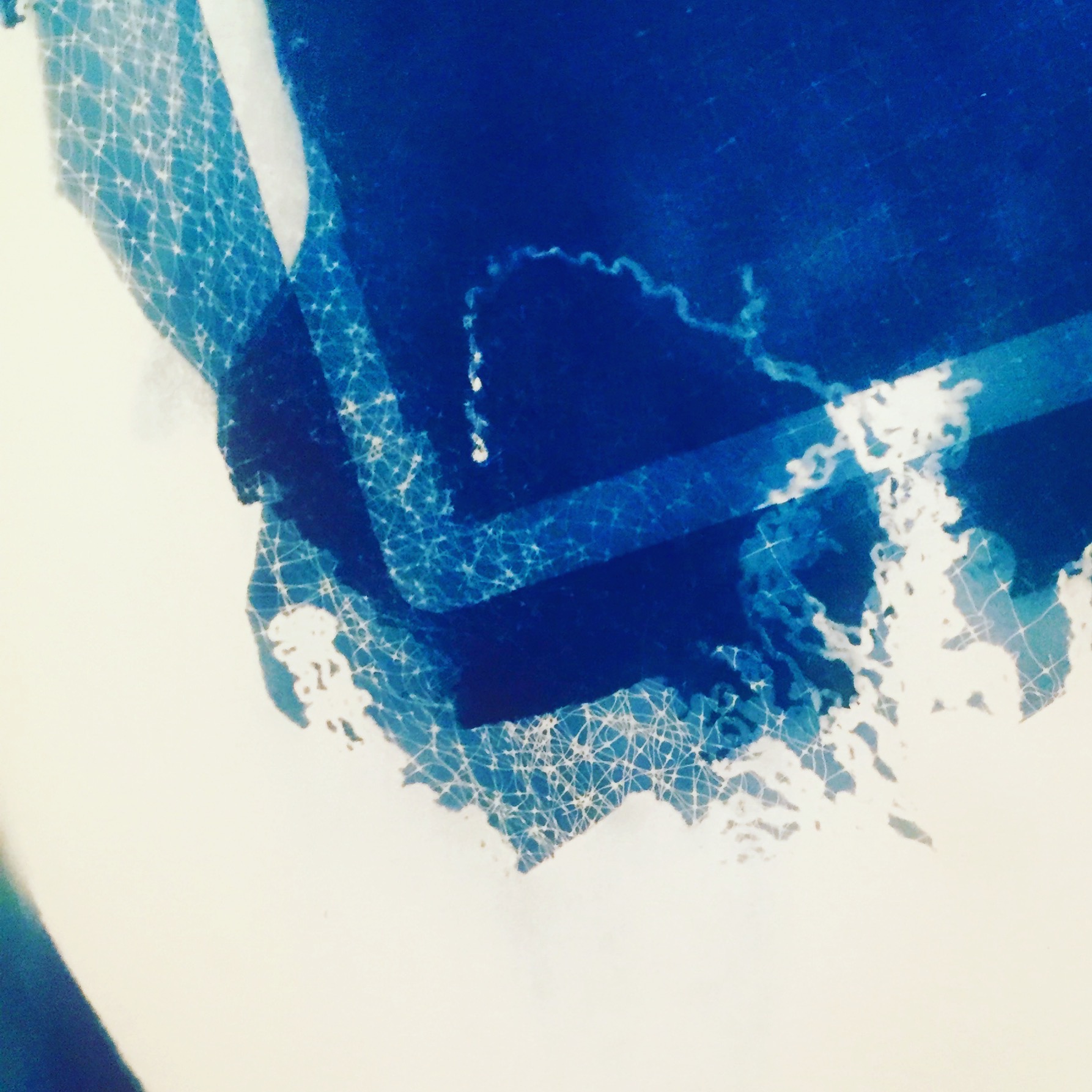
Printed, the crudely formed stick charts took on constellatory patterns, and she combined them with the sweaters and embossings for a three-pronged exploration of what the artist describes as the unconscious emotional realm she’s navigated since her brother’s passing.
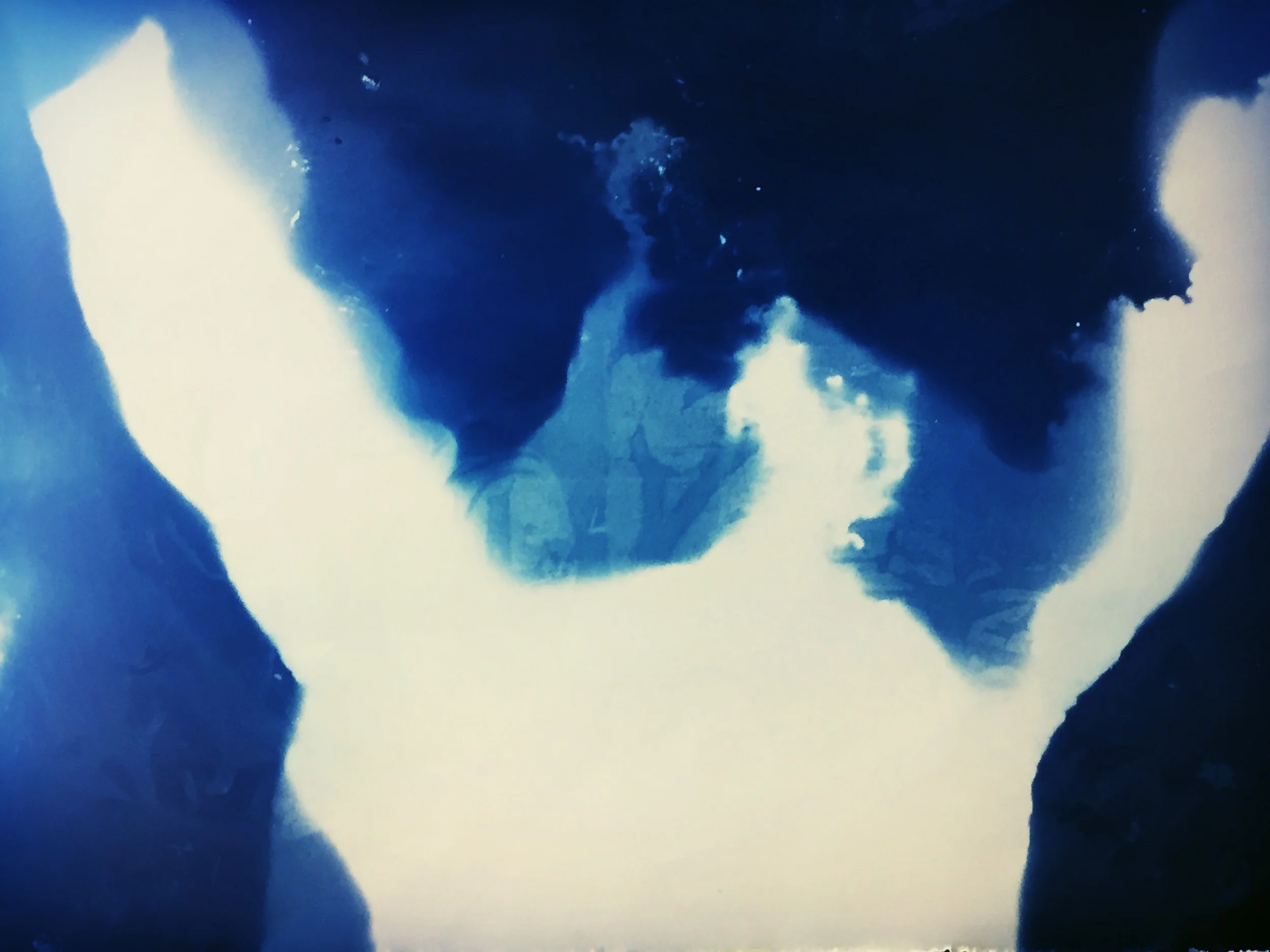
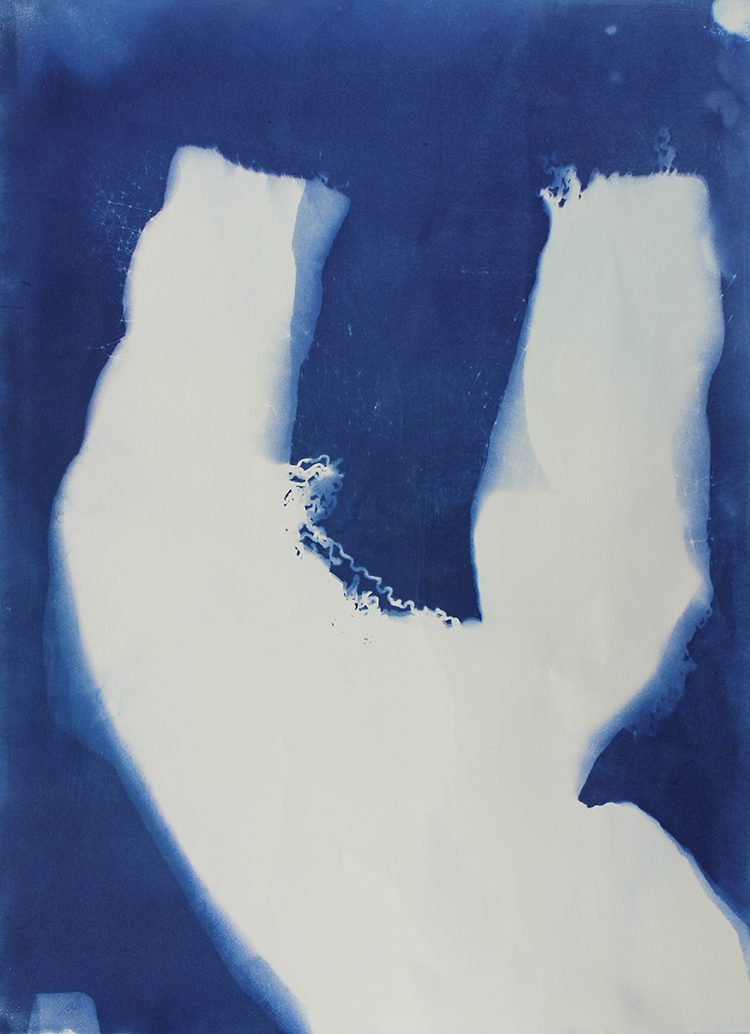
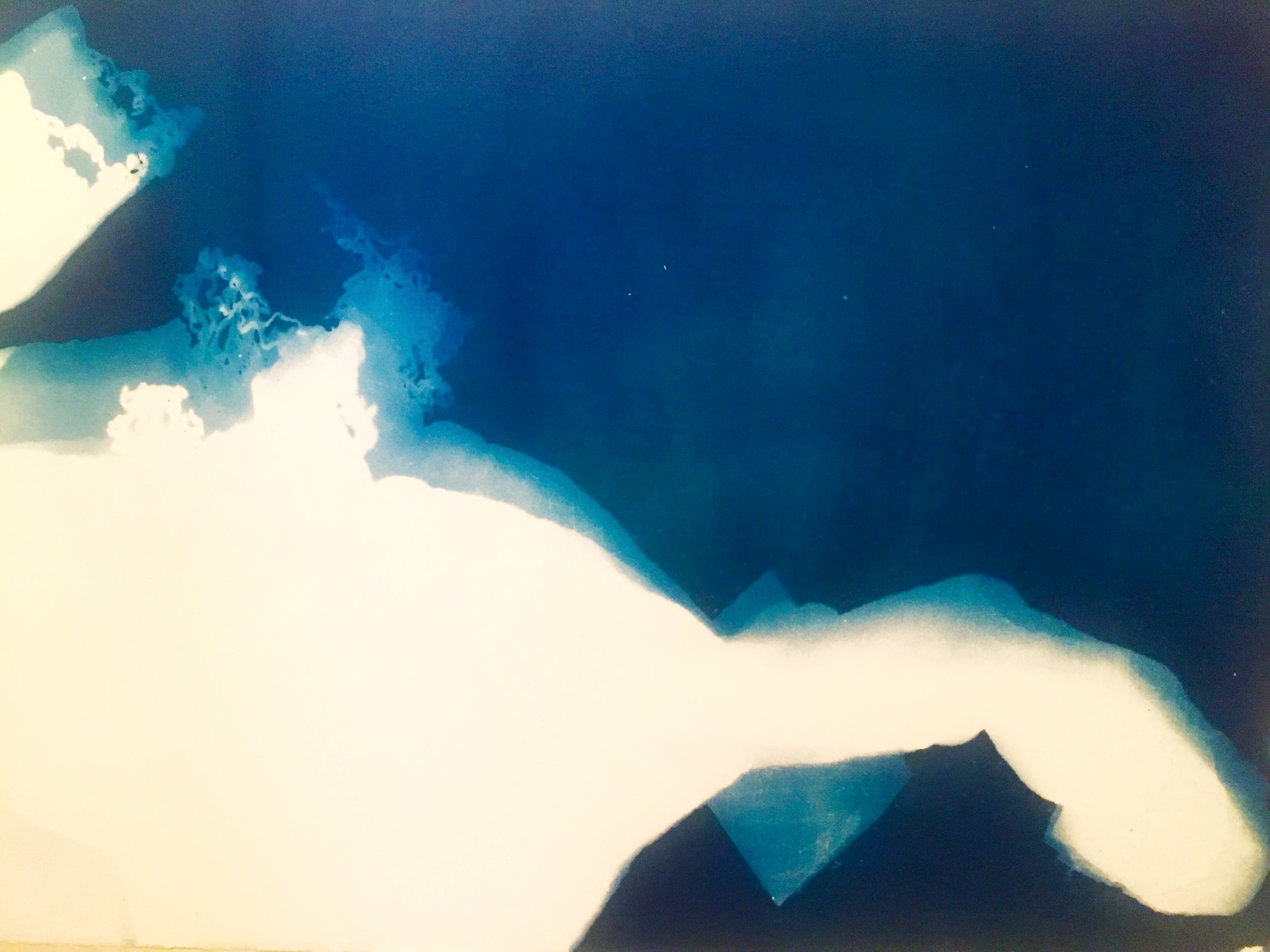
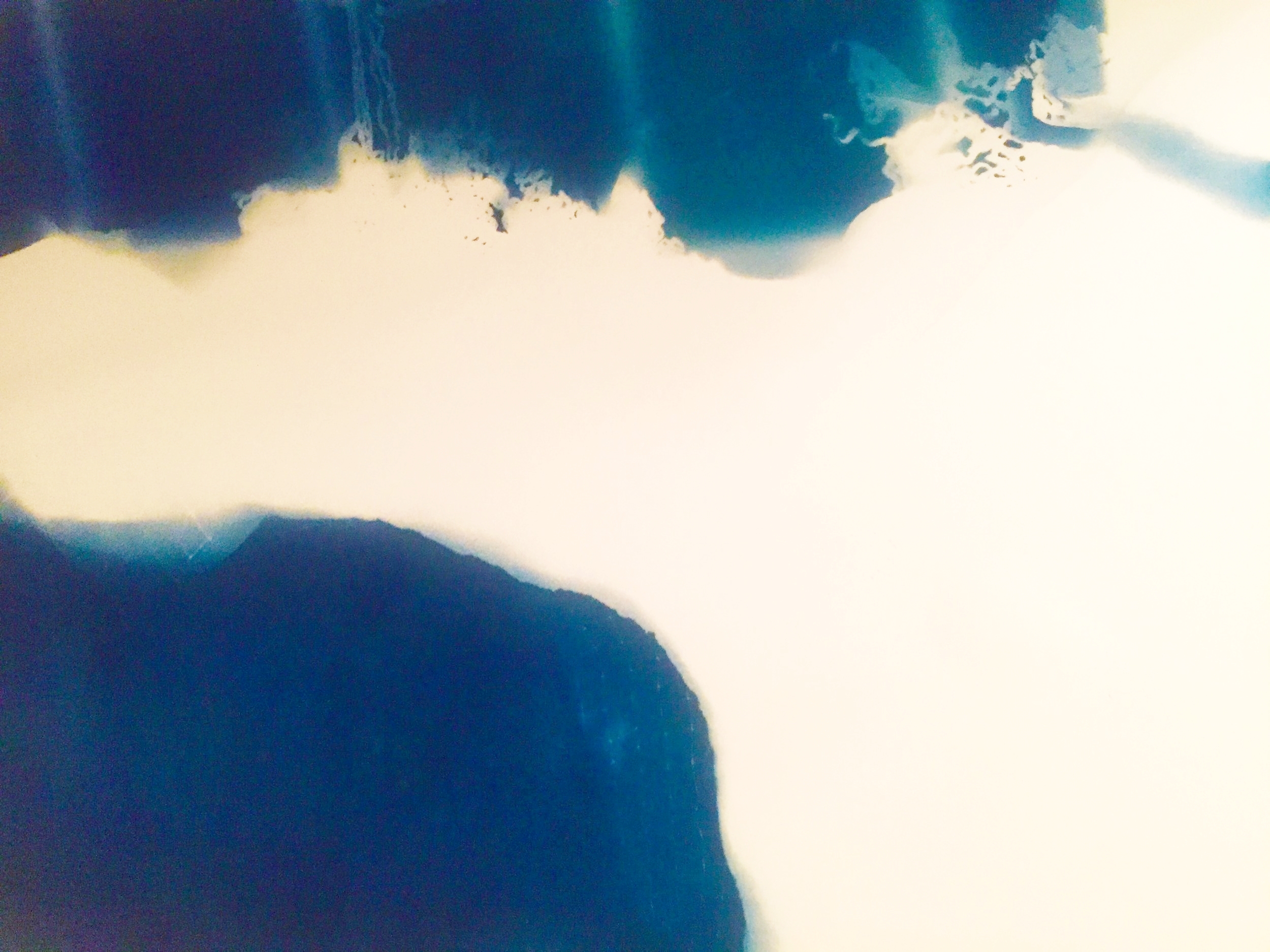
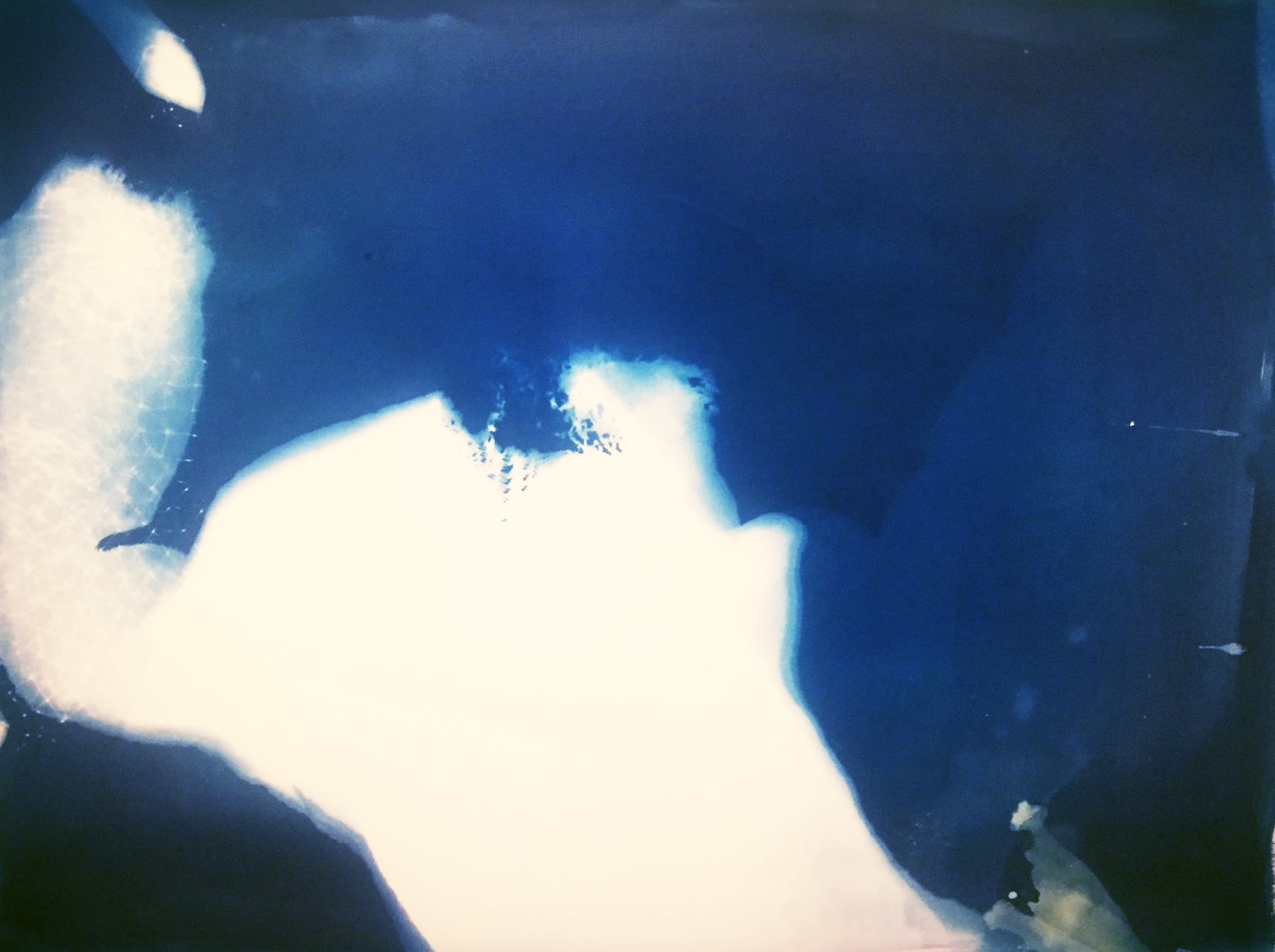
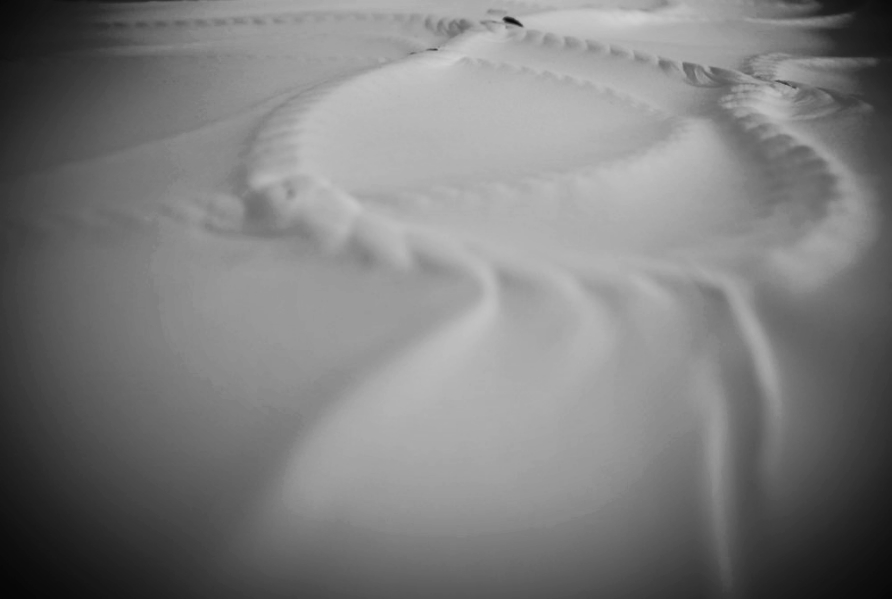
Droge wonders if the story behind this work overshadows its universality, but her exhibition at the airy, well-lit Frank Brockman Gallery in Brunswick, is simple and inviting. Frayed ends of the cable-knit sweater appear in the cyanotype “Shoals” as the distant shores of land masses, with narrow isthmuses curling off the frame. In “Prophecy,” we see the white form and outline of the sweater as though its arms are raised up in surrender. In the cyanotype “Thief,” the sweater-sleeve imprint conjoins with a bed of stars imprinted from the stick charts.
As an educator who encourages young artists to engage with the coastline and its various storylines, from the effects of climate change on working life to the drug problem in coastal communities, Droge’s exhibit here is without question the most personal we’ve seen from her. It’s harrowing stuff, even with its macabre themes soundly sublimated into an art medium, the cyanotype, that could otherwise be described as angelic. Viewers would enjoy it even without knowing the whole story, its universality is indeed strong. But for those who might grapple with the work in particular terms, it’s as life-affirming as it gets.